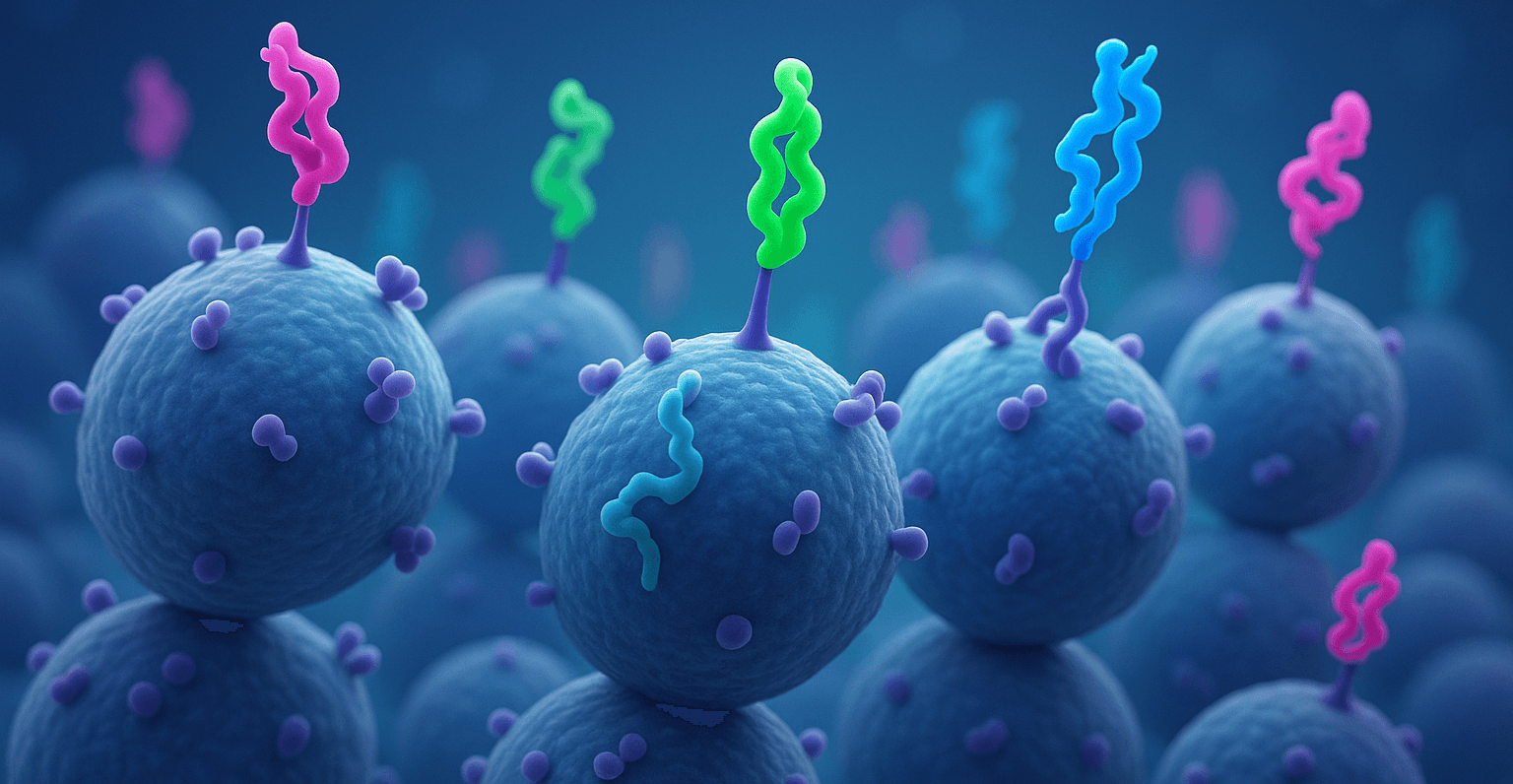
Accelerating therapeutic antibody discovery with precision and scalability
Accelerating therapeutic antibody discovery with precision and scalability
Accelerating therapeutic antibody discovery with precision and scalability
Yeast Display Antibody Discovery
At DuneX Biosciences, we specialize in yeast display–based antibody discovery and engineering, providing end-to-end solutions for biotech and pharmaceutical partners. Our advanced FACS-based selection platform enables rapid identification, affinity maturation, and validation of high-performing antibody candidates — reducing timelines and boosting discovery success rates.
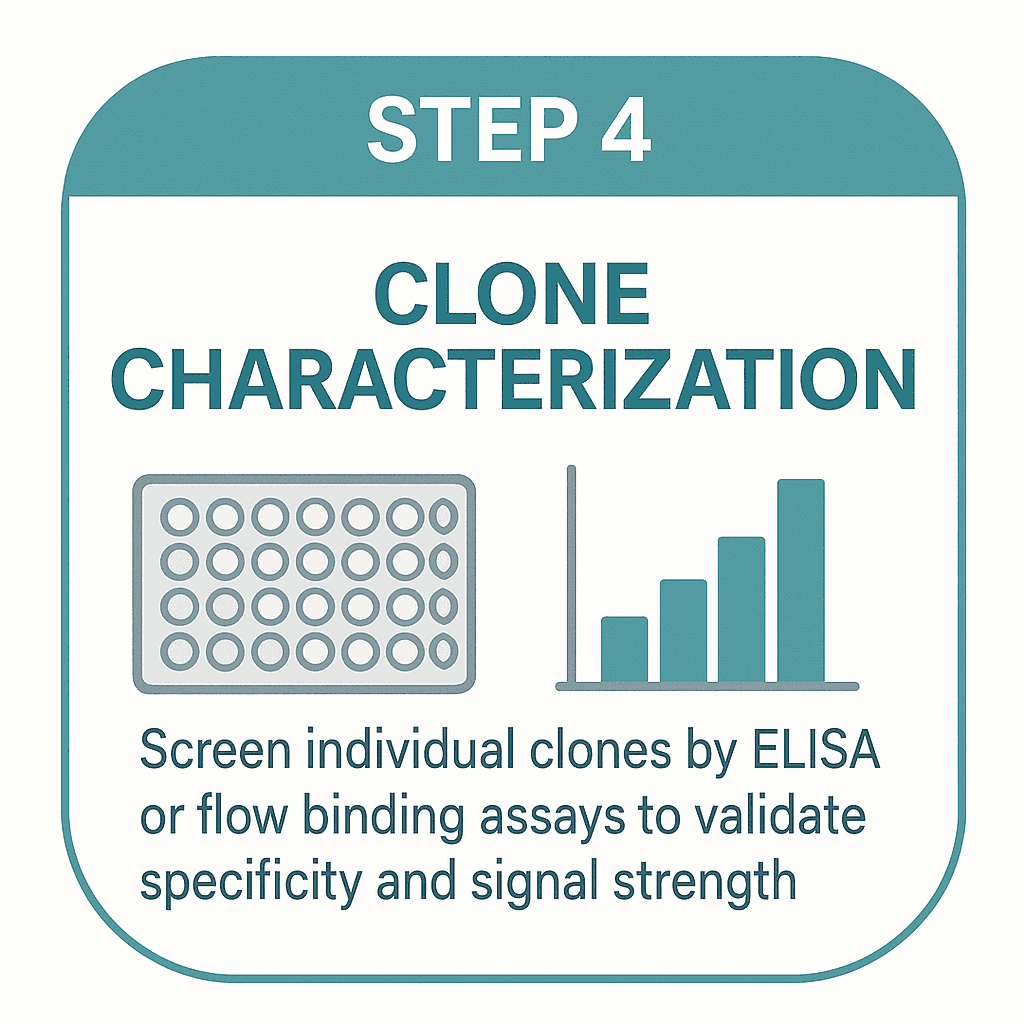
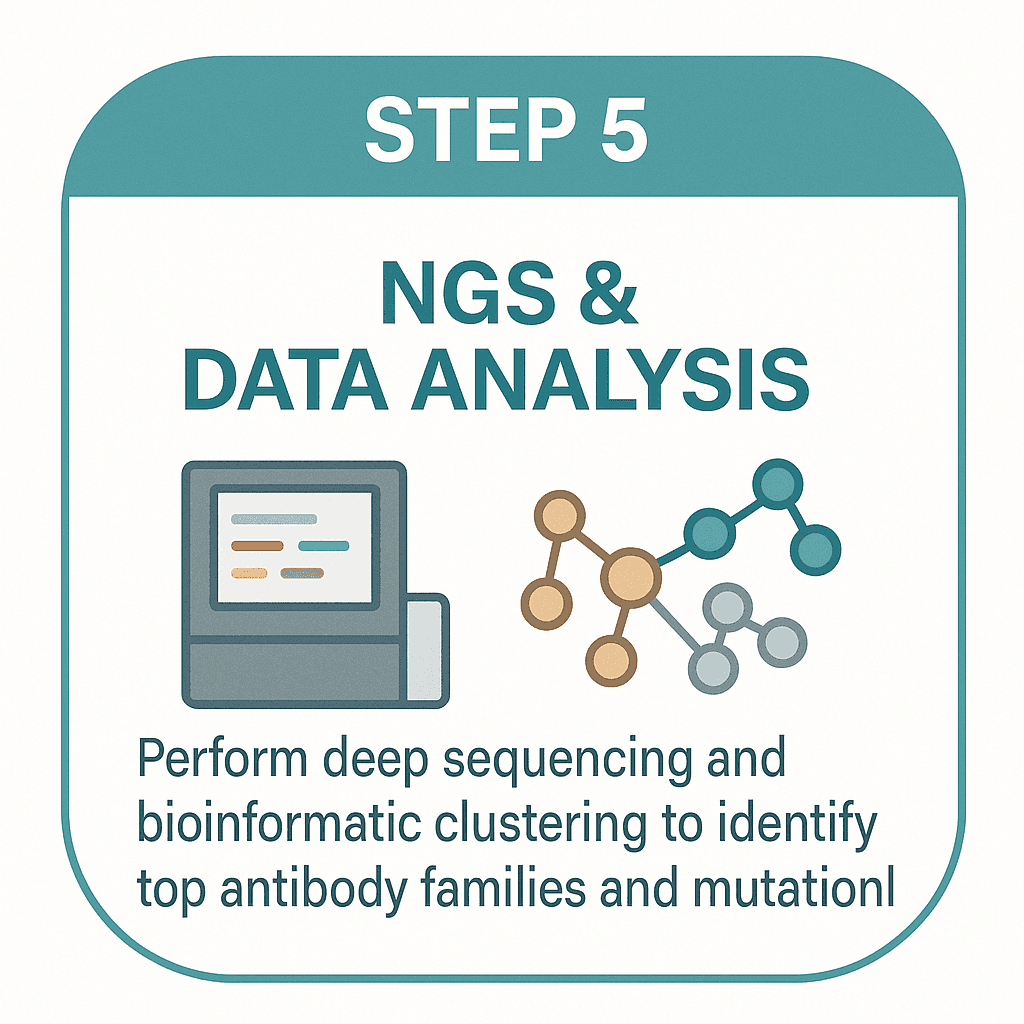
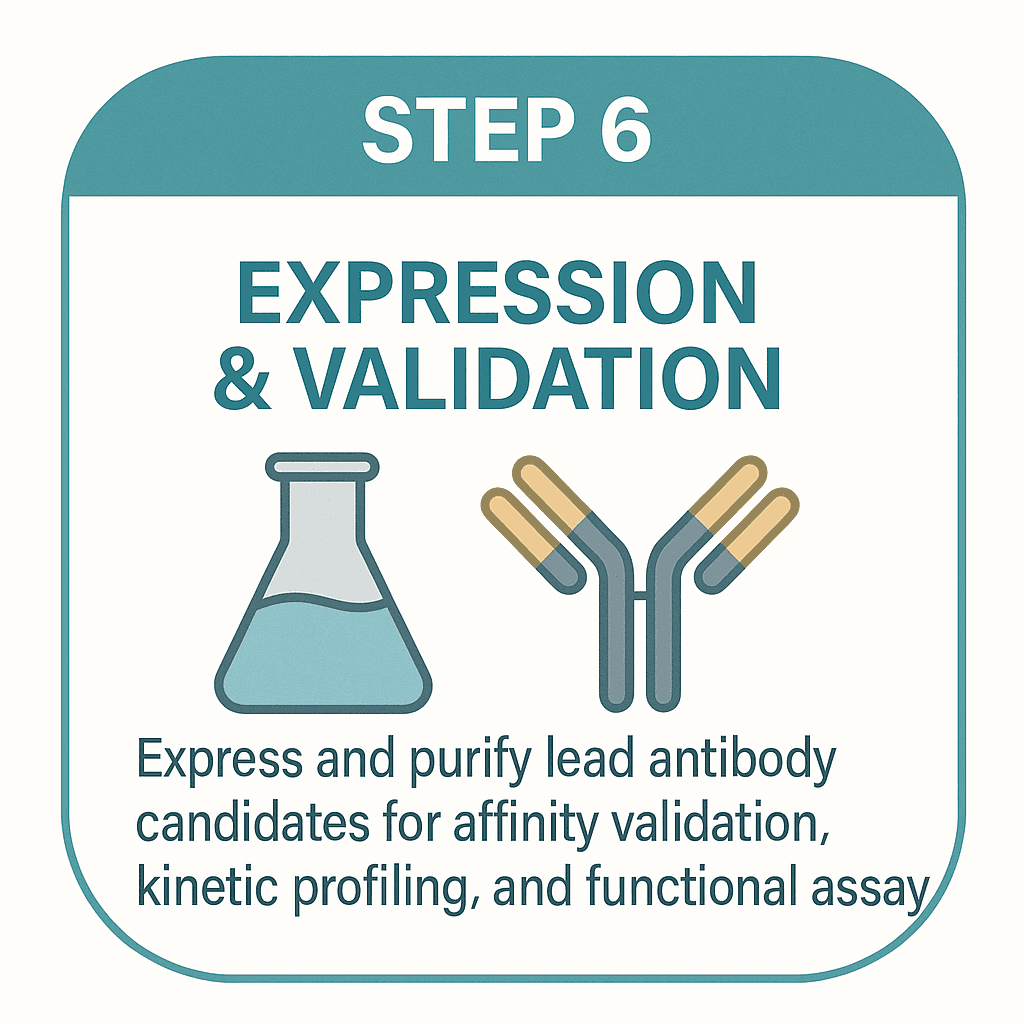
Workflow Overview
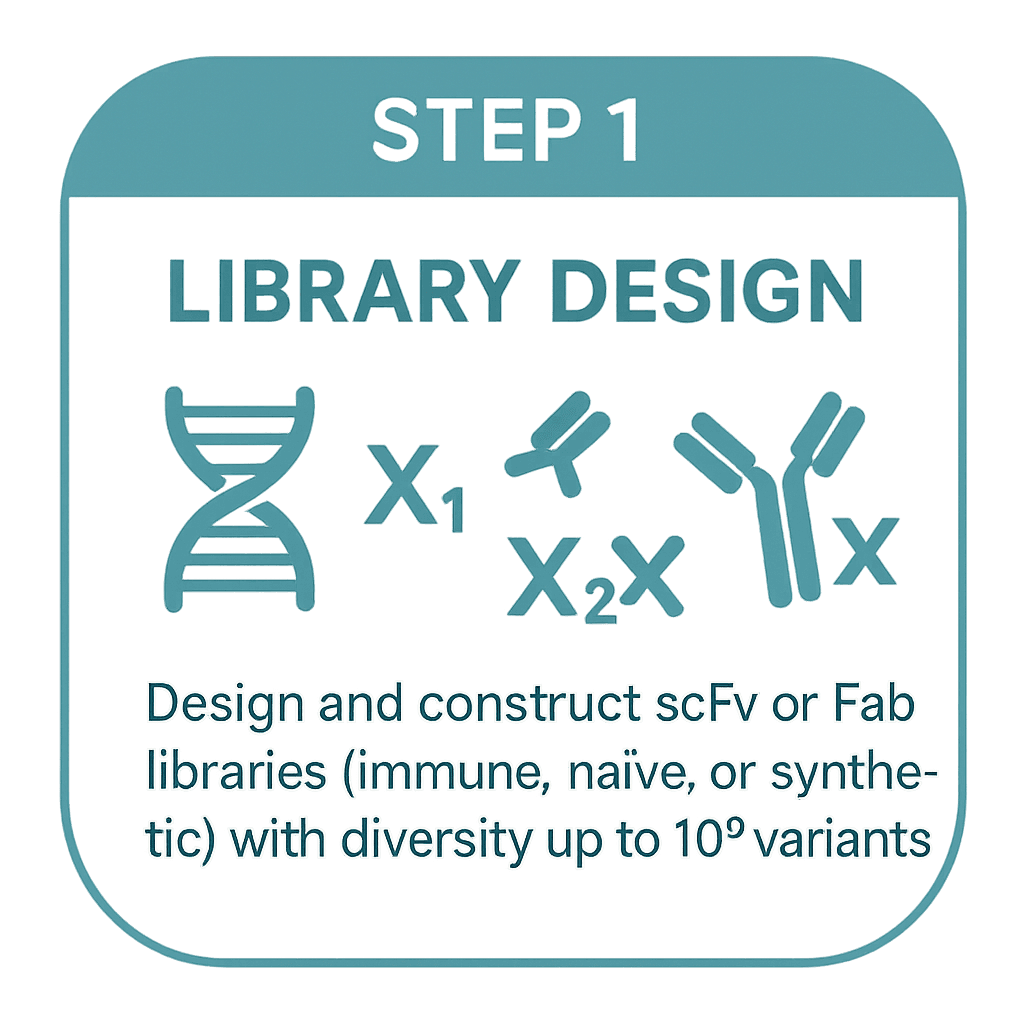
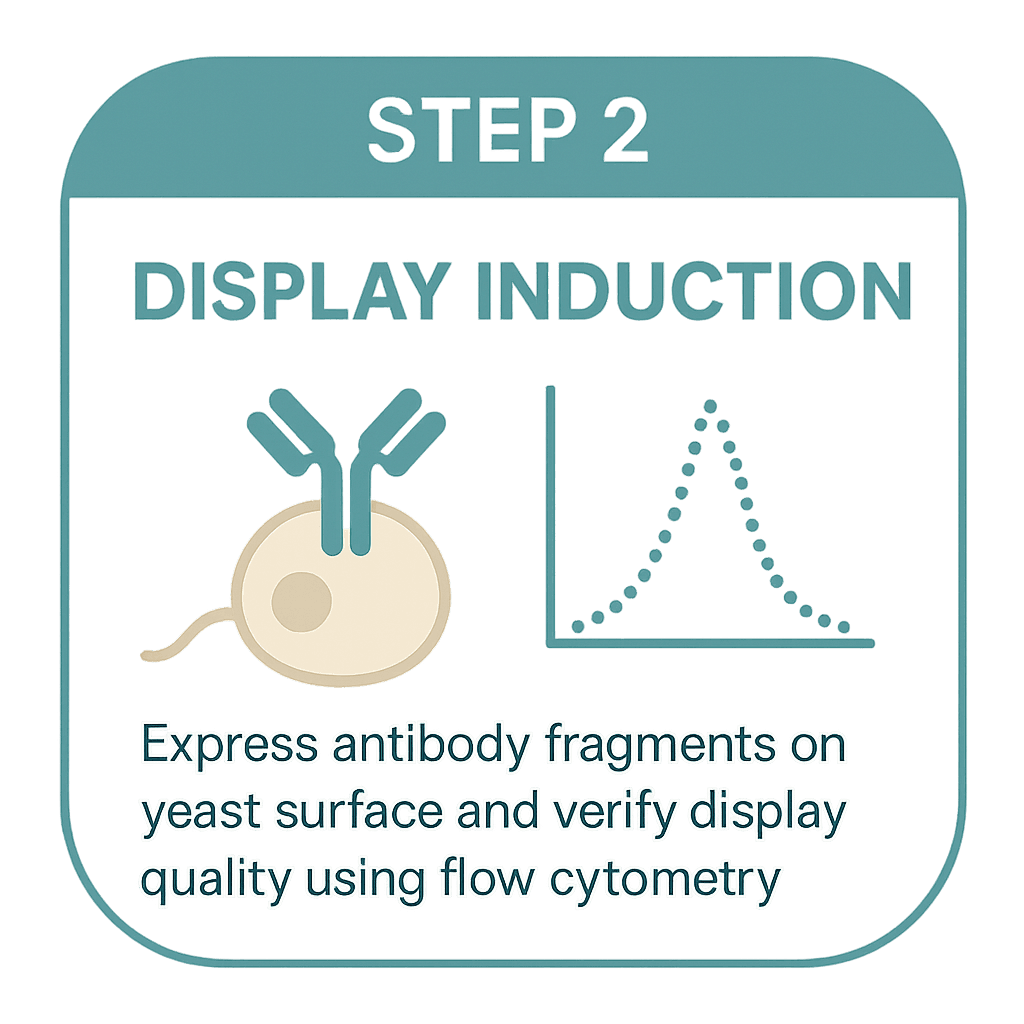
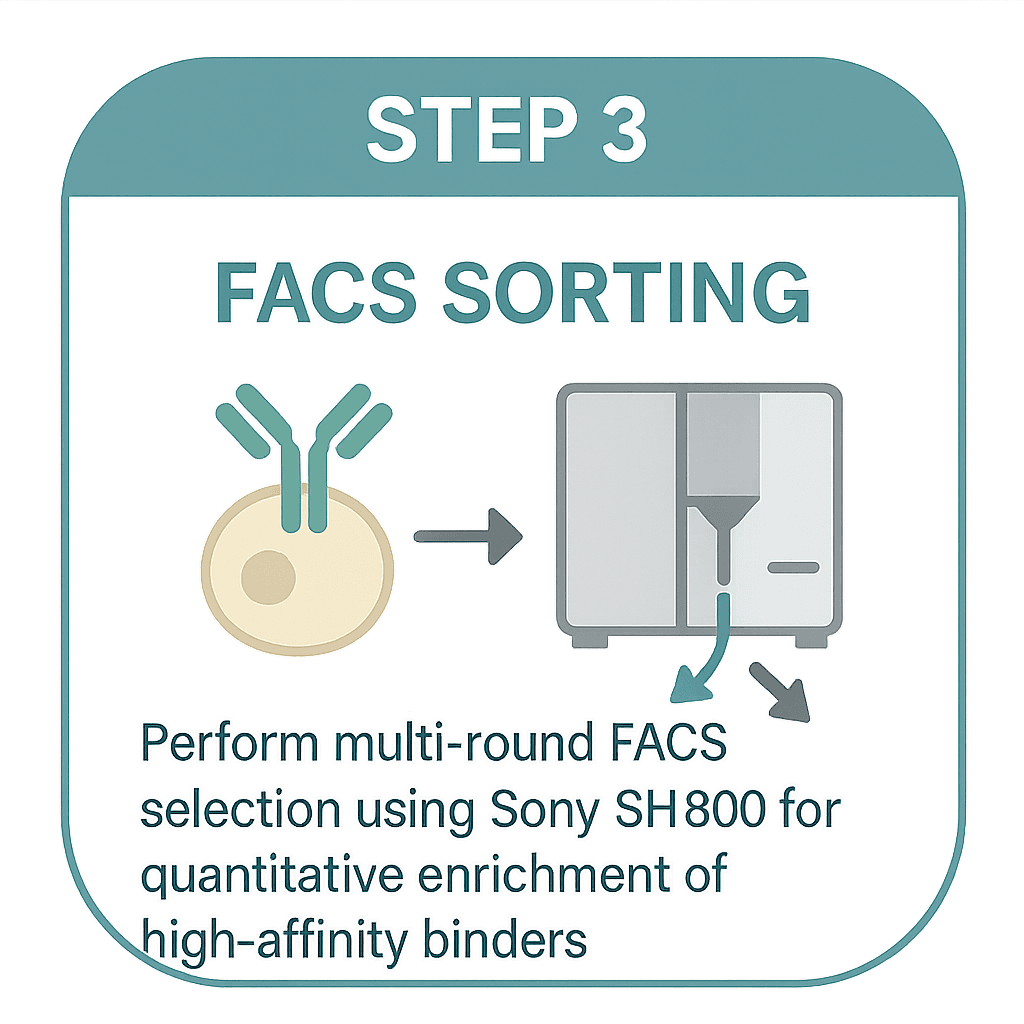
Our streamlined yeast display discovery workflow integrates advanced automation, data analytics, and high-throughput screening to deliver validated antibody candidates rapidly and efficiently.
Package Pricing
Pilot Study
$3,000
Antigen Biotinylation
Antigen dose plot with VHH or ScFv library (10 Billion antibody diversity)
2 weeks TAT
Antibody Discovery Campaign (30-100nM Kd)
Quote for Price
Proprietary VHH or ScFv library (10 Billion antibody diversity)+ up to 5 rounds FACS selection
NGS-based repertoire profiling, clone clustering, and sequence optimization report.
Binding data for 96 clones, kinetic analysis for top 12 clones
Delivering <100nM Kd improvement — or 50% of your money back.
4 weeks TAT
Affinity Maturation (100X Kd improvement)
Quote for Price
Directed evolution through trinucleotide library synthesis (immune, semi-synthetic, or naïve, up to 1 Billion diversity).
Affinity maturation with 3 sorting rounds and kinetic analysis for top clones.
Delivering ≥10× Kd improvement — or 50% of your money back.
8 weeks TAT
Bundle with Antibody Discovery Campaign and receive 20% off
Pilot Study
$3,000
Antigen Biotinylation
Antigen dose plot with VHH or ScFv library (10 Billion antibody diversity)
2 weeks TAT
Antibody Discovery Campaign (30-100nM Kd)
Quote for Price
Proprietary VHH or ScFv library (10 Billion antibody diversity)+ up to 5 rounds FACS selection
NGS-based repertoire profiling, clone clustering, and sequence optimization report.
Binding data for 96 clones, kinetic analysis for top 12 clones
Delivering <100nM Kd improvement — or 50% of your money back.
4 weeks TAT
Affinity Maturation (100X Kd improvement)
Quote for Price
Directed evolution through trinucleotide library synthesis (immune, semi-synthetic, or naïve, up to 1 Billion diversity).
Affinity maturation with 3 sorting rounds and kinetic analysis for top clones.
Delivering ≥10× Kd improvement — or 50% of your money back.
8 weeks TAT
Bundle with Antibody Discovery Campaign and receive 20% off
FAQ
1. What is yeast surface display and why is it widely used for antibody discovery?
1. What is yeast surface display and why is it widely used for antibody discovery?
1. What is yeast surface display and why is it widely used for antibody discovery?
1. What is yeast surface display and why is it widely used for antibody discovery?
2. What types of libraries can be constructed for yeast display?
2. What types of libraries can be constructed for yeast display?
2. What types of libraries can be constructed for yeast display?
2. What types of libraries can be constructed for yeast display?
3. What is the typical library size achievable?
3. What is the typical library size achievable?
3. What is the typical library size achievable?
3. What is the typical library size achievable?
4. What antibody formats can be displayed?
4. What antibody formats can be displayed?
4. What antibody formats can be displayed?
4. What antibody formats can be displayed?
5. How does FACS-based selection improve binder quality?
5. How does FACS-based selection improve binder quality?
5. How does FACS-based selection improve binder quality?
5. How does FACS-based selection improve binder quality?
6. How many rounds of selection are typically required?
6. How many rounds of selection are typically required?
6. How many rounds of selection are typically required?
6. How many rounds of selection are typically required?
7. What is the minimal antigen quantity required?
7. What is the minimal antigen quantity required?
7. What is the minimal antigen quantity required?
7. What is the minimal antigen quantity required?
8. Can yeast display identify high-affinity and high-specificity variants?
8. Can yeast display identify high-affinity and high-specificity variants?
8. Can yeast display identify high-affinity and high-specificity variants?
8. Can yeast display identify high-affinity and high-specificity variants?
9. Do you support affinity maturation of existing antibodies?
9. Do you support affinity maturation of existing antibodies?
9. Do you support affinity maturation of existing antibodies?
9. Do you support affinity maturation of existing antibodies?
10. How do you confirm affinity improvements?
10. How do you confirm affinity improvements?
10. How do you confirm affinity improvements?
10. How do you confirm affinity improvements?
11. What QC steps are included during library construction?
11. What QC steps are included during library construction?
11. What QC steps are included during library construction?
11. What QC steps are included during library construction?
12. Can you work with membrane proteins or multi-pass GPCR targets?
12. Can you work with membrane proteins or multi-pass GPCR targets?
12. Can you work with membrane proteins or multi-pass GPCR targets?
12. Can you work with membrane proteins or multi-pass GPCR targets?
13. How do you ensure correct protein folding on the yeast surface?
13. How do you ensure correct protein folding on the yeast surface?
13. How do you ensure correct protein folding on the yeast surface?
13. How do you ensure correct protein folding on the yeast surface?
14. Do you offer deep sequencing analysis of each selection round?
14. Do you offer deep sequencing analysis of each selection round?
14. Do you offer deep sequencing analysis of each selection round?
14. Do you offer deep sequencing analysis of each selection round?
15. Can yeast display be used for therapeutic antibody discovery?
15. Can yeast display be used for therapeutic antibody discovery?
15. Can yeast display be used for therapeutic antibody discovery?
15. Can yeast display be used for therapeutic antibody discovery?
16. What antigen formats do you accept?
16. What antigen formats do you accept?
16. What antigen formats do you accept?
16. What antigen formats do you accept?
17. How are screening conditions controlled?
17. How are screening conditions controlled?
17. How are screening conditions controlled?
17. How are screening conditions controlled?
18. What are the typical deliverables at the end of a project?
18. What are the typical deliverables at the end of a project?
18. What are the typical deliverables at the end of a project?
18. What are the typical deliverables at the end of a project?
19. Can you reformat yeast-display hits into IgG or other formats?
19. Can you reformat yeast-display hits into IgG or other formats?
19. Can you reformat yeast-display hits into IgG or other formats?
19. Can you reformat yeast-display hits into IgG or other formats?
20. What is the typical project timeline?
20. What is the typical project timeline?
20. What is the typical project timeline?
20. What is the typical project timeline?
Copyright © 2025 DuneX Biosciences. All rights reserved. | +1-(415).463.0365 | info@dunexbio.com | 25801 Industrial Blvd Suite 100, Hayward, CA 94545
Copyright © 2025 DuneX Biosciences.
All rights reserved.
+1-(415).463.0365 | info@dunexbio.com |
25801 Industrial Blvd Suite 100, Hayward, CA 94545
Copyright © 2025 DuneX Biosciences. All rights reserved. | +1-(415).463.0365 | info@dunexbio.com |
25801 Industrial Blvd Suite 100, Hayward, CA 94545